19 May 2026 · 14 min read
Budget 2026: Trust distribution changes for small business families
Family trusts are common in Broadmeadows because they can help with asset protection and flexible income distribution. But they also come with strict tax rules. The 2026 Budget sharpened focus on trust reporting and beneficiary outcomes. This guide explains what matters most in simple language.
Trust distributions made simple
For medical practice owners: see our industry guide for doctors and dentists.
A trust can earn income. The trustee then decides who receives that income, based on the trust deed and tax rules. That decision is called a distribution. If the decision is late, unclear, or not properly documented, tax can go to the wrong place or at a higher rate.
What changed in 2026?
The direction of change is stronger integrity and cleaner documentation. In practical terms, trust families now need clearer evidence of why and how distributions are made, especially where multiple related entities are involved.
1. Documentation quality matters more
Minutes and resolutions should be complete, dated correctly, and consistent with financial statements and tax returns. Last-minute paperwork often causes expensive clean-up work.
2. Beneficiary outcomes are under stronger review
Where distributions move across related parties, the ATO expects commercial logic and proper records. If entries do not make sense, risk goes up.
3. Timing remains critical
Trust distribution decisions generally need to be made by year-end under the trust deed rules. Missing that timing can trigger default outcomes you did not intend.
A child-friendly way to think about it
Imagine a fruit bowl for the family. The trust earns the fruit. At the end of the day, someone writes who gets which fruit. If nobody writes it down clearly, arguments start, and the referee (the ATO) may decide for you. Good paperwork is simply writing the fruit list clearly and on time.
Common mistakes we see in Northern Melbourne
- • Resolutions signed late or with missing detail.
- • Distribution entries that do not match financial statements.
- • Loan accounts not reconciled between entities.
- • No clear reason for changes from one year to the next.
- • Assuming last year’s template is always enough.
Practical 2026 trust checklist
- Read your trust deed and confirm distribution powers.
- Draft year-end distribution scenarios before 30 June.
- Reconcile beneficiary and loan accounts monthly.
- Prepare trustee minutes with exact names and amounts.
- Align trust, company, and personal returns before lodgement.
- Document why your distribution approach is reasonable.
Real-life scenarios we solve
Scenario 1: Family business with changing profits
Some years are strong, some are tight. If distributions swing with no supporting notes, the file can look inconsistent. We help families document why the change happened, so the story in the minutes matches the numbers in the accounts.
Scenario 2: Corporate beneficiary not reconciled
It is common to see balances carried forward without clean reconciliation. Over time, this makes the group harder to manage. We rebuild a clear schedule so each movement is explained and returns align properly.
Scenario 3: Last-minute trustee meeting
Late June panic leads to rushed paperwork. A better process is to prepare draft outcomes in May, review in early June, then finalise in time under the deed. This one change alone reduces most year-end trust stress.
Quick trust FAQ
Can we copy last year’s resolution? Use it as a template only. Every year needs its own accurate facts and amounts.
Can we decide distributions after 30 June? Generally, timing is driven by your deed and tax law. Late decisions can create unwanted outcomes.
Do small trusts need strategy too? Yes. Even small groups benefit from clear records and planned decisions.
Where strategy creates value
Good trust planning is not about aggressive tax outcomes. It is about being organised, consistent, and legal. When done well, it supports cash flow, protects family wealth, and reduces panic near deadlines.
At WeGrow, we help clients in Broadmeadows connect trust decisions to real-life business goals: paying staff, investing in growth, and keeping compliance tidy.
A month-by-month trust planning map
If trust planning feels complicated, use this simple calendar. It turns big tax language into small tasks your team can actually finish.
January to March: clean the numbers
Start with bookkeeping quality. Make sure sales, wages, and major expenses are coded correctly. Reconcile bank accounts monthly. Confirm related-entity balances are up to date. This stage is like cleaning your kitchen before cooking. If the bench is messy, the final meal is stressful.
April: run first distribution scenarios
Build two or three rough options using expected full-year profit. Option A may prioritise retained cash. Option B may focus on beneficiary needs. Option C may support reinvestment. At this stage, you are not locking anything in. You are testing outcomes early so there are no surprises later.
May: check legal and deed settings
Confirm who can receive distributions under the deed and how decisions must be made. Review trustee records, prior-year minutes, and any changes in family or business structure. This avoids invalid or incomplete resolutions.
June: finalise and document clearly
Final numbers should flow into formal minutes with correct dates, names, and allocation details. Keep signed copies in one secure folder with supporting working papers. If a review ever happens, this file is your best protection.
July onward: align all returns
Once trust decisions are final, align company and individual records so lodgement is consistent. Good alignment means fewer queries, fewer amendments, and faster completion. This is where strategic planning saves both time and money.
Need your trust distributions reviewed?
We can review your structure, clean up beneficiary accounts, and prepare a practical distribution plan before year-end.
Review my trust setupYour local advisers
Trust planning support for Broadmeadows families
Zahid and Inam can guide your family group through trust distributions and create a tax-aware strategy that fits your business goals.
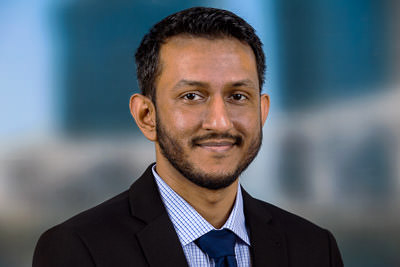
Zahid Chowdhury
Founder & Principal Accountant
Zahid helps with structure, strategy, and big tax decisions so you can grow with confidence.

Inam Asiful
Senior Consultant
Inam keeps your BAS, payroll, and tax lodgements clear, accurate, and on time.
Disclaimer: This article is general information only and is not tax, financial, or legal advice.
Build my tax strategy